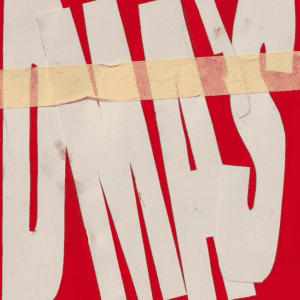
For their fifth album, DMA’S have simply called it DMA’S. No concept, no cryptic title, no extra dressing. After a decade of experimenting, Johnny Took, Matt Mason and Tommy O’Dell can let the name do the talking.
If you’ve followed the band from the start, this feels like a reunion with every version of them you’ve liked: the cheeky indie rock of Hills End, the sharper songwriting of For Now, the electronic shimmer of The Glow, and the scale of How Many Dreams? Better still, it doesn’t feel recycled. DMA’S have folded those phases into something confident and coherent.
Across 11 tracks come guitar anthems, hazy slow songs, pulsing electronics and choruses built for big rooms. All the familiar ingredients are here, but better assembled. This is not a band searching for an identity; it is one enjoying what it has found.
Track by Track
El Alamein
No gentle easing-in here. The guitars and rhythm section arrive with real momentum, and O’Dell’s vocal grabs you early. It never feels like a calculated stab at another stadium anthem; they’ve written plenty of those already. This is about atmosphere and movement, less a traditional opener than a door swinging open into the album.
My Baby’s Place
If “El Alamein” sets the scene, this is where the album finds its heart. Dreamy and nostalgic, it has the pull live audiences will recognise from early 2026. As the band’s first self-produced single, it carries extra weight: you can hear the freedom in the looseness, the decision to step back and let the melody and O’Dell’s voice do the work. It is one of the record’s quietest and most moving moments.
Hurracane
Yes, the spelling is odd. Musically, though, this is DMA’S through and through: melodic, expansive, and built around a chorus that improves with each listen. The distance from Hills End is clear. The gift for instant melody remains, but the sound around it is richer and more deliberate. Same heart, better toolkit.
Killing Time
A mood shift. “Killing Time” is darker and more restless, tucking tension under the melody instead of rushing towards release. Rather than chasing the raw rush of early DMA’S, it tests what happens when their songwriting meets more contemporary production. If The Glow‘s electronic textures and dance rhythms appealed to you, this feels like the logical next step. Evolution, not revolution.
Heatin Park
This is probably the album’s biggest live weapon, already road-tested on UK crowds during the 2026 shows. The chorus is built for mass singalong, while the title nods to Manchester’s Heaton Park and makes the band’s bond with British indie culture plain. The difference now is that DMA’S no longer sound like they are borrowing from that world. They have absorbed it: guitars, melody, nostalgia and swagger, all filtered through the sound they have spent ten years refining.
Emailz
One for patient listeners. “Emailz” doesn’t announce itself; it settles in slowly, revealing new details with each play. It also does important work for the album’s pacing. Not every song needs a massive chorus. Some exist to build atmosphere and give the record room to breathe.
One & Only
Back to the melodies. “One & Only” puts the band’s romantic streak up front without tipping into schmaltz. DMA’S have always dealt in longing and uncertainty without over-decorating the feeling, and that restraint is central to O’Dell’s appeal. His voice can sound vulnerable without sounding defeated, which is rarer than it should be.
Dancing Luck
The title promises movement and the song delivers. This is one of the album’s most buoyant moments, and where the lessons of The Glow show most clearly. DMA’S have worked out that guitars and dance rhythms do not need to compete. Balanced well, they sharpen each other. The electronic turn was never about ditching guitars; it was about giving them somewhere new to go.
Concrete
“Concrete” lives up to its name: heavier, weightier, and useful to the album’s balance. The lighter moments land harder with some shadow around them. It is a reminder that this is not just a record of festival anthems. There is melancholy here, and uncertainty too, giving the album needed depth.
Windows
At just under three minutes, “Windows” is one of the shortest tracks here, and its compactness is the point. Not every idea needs stretching into an epic. Even as their production has grown grander, DMA’S have kept the knack for saying just enough. This feels like a quiet pause before the finale.
A fitting title to close on. DMA’S have always dealt in distance: geographic, musical and emotional. They came from Sydney and built much of their identity around British guitar culture; early on, they were outsiders who somehow sounded like old friends. Five albums later, that contradiction has become a strength. Rather than going out with a bang, “Distance” leaves the story open.
What makes the album satisfying is that it does not reinvent DMA’S, and it should not. Their real achievement has been expanding the sound piece by piece without losing what made people care in the first place.
Trace the line: Hills End landed in 2016 with clear echoes of Oasis, The Stone Roses and Britpop. For Now polished the formula. The Glow opened the door to electronics and dance music. How Many Dreams? went bigger. Now DMA’S pulls those threads into one cohesive record.
The guitars still matter, but they are no longer the whole story. The electronic touches feel natural rather than gimmicky; the melodies remain instant, now framed by smarter arrangements. Best of all, the band sounds like it has nothing left to prove.
O’Dell deserves a moment here, because he is the heart of this band. DMA’S could have settled into Britpop-revival comfort, but his voice gives them room to keep moving. That range works in a sweaty club at midnight, on a festival main stage at sunset, or from a car stereo on a long drive.
Credit to Johnny Took and Matt Mason too. Their guitar work is increasingly about texture and feel rather than riffs alone, and this record shows how much that shift has paid off.
ALbum Release 7th August 2026
Review by James Edmond