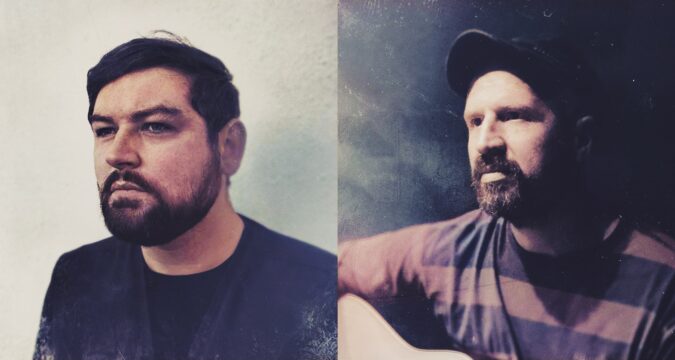
Photo Credit Kidston Raymonde
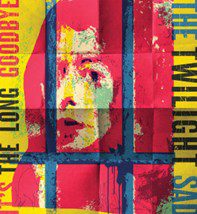
Scotland has this strange, almost aching tradition of making music that hurts in the best way, and The Twilight Sad somehow sits right at the centre of that ache. They’ve been around since the mid-2000s, crawling their way through the noise of the 2010s, and by now they’ve become one of those names you can’t really talk about Scottish rock without mentioning. Their new album, It’s the Long Goodbye, feels like a turning point, or maybe a reckoning. It’s not just another record—it’s like they cracked open their ribs and let the grief spill out. The songs don’t just sound sad; they feel like loss, like something that presses against your chest until you can’t quite breathe right. It’s brave, or foolishly honest, or both. And maybe that’s why it hits so hard—it’s them at their most bare, their most human.
For anyone who still believes that sadness can be beautiful, that despair can shimmer if you hold it up to the light just right, this album is a must. Graham, the singer, turns inward here, almost painfully so. It’s been seven years since their last full-length, and you can tell he’s been carrying a lot. He said somewhere that this one “comes from a place of raw emotion,” and you can hear that in every word. He and Andy MacFarlane seem to have reached some kind of unspoken rhythm together—like they don’t even need to talk anymore, just breathe in the same direction, and the music happens. Andy’s guitar work feels like a language of its own, and Graham’s voice, cracked and trembling, translates it into something that almost makes sense.
The grief that runs through the record isn’t abstract either. Graham’s mother battled dementia before passing away, and that loss sits heavily in these songs. You can feel him trying to make sense of it, or maybe just to survive it. But life, as it does, tangled grief with joy—he got married, became a father. So the record becomes this strange, tender circle: death and birth, endings and beginnings, all tangled up in the same breath. It’s like he’s saying goodbye and hello at the same time.
Following up 2019’s It Won’t Be Like This All the Time wasn’t easy. MacFarlane had been sketching ideas since lockdown, bits of sound and half-melodies floating around until they finally came together. When they did, the band locked themselves in Battery Studios for two weeks and just—let it happen. What came out feels like the album they’d been trying to make all along but never quite dared to. It’s full of despair, yes, but also this strange pulse of hope, like they’re reaching out through the noise to remind you that you’re not alone.
The opener, “Get Away From It All,” doesn’t ease you in—it swallows you whole. The guitars crash like waves, one after another, until you’re lost inside them. It’s chaotic and cleansing at once. Then, just when you think you’ve found your footing, Graham whispers, “You’re my mother,” and everything stops. It’s such a small line, but it lands like a punch. There’s no pretence, no armour left. Just a man trying to talk to someone who’s already gone. It’s devastating.
Then comes “Attempt at a Crash Landing,” which feels like running downhill too fast, knowing you’ll fall but not caring. It’s messy, breathless, and almost panicked. But there’s something brave in that chaos too. The rhythm stumbles, then steadies, like someone learning to walk again after forgetting how. “Forward is still forward,” it seems to say, even if you don’t know where you’re going.
“The Ceiling Underground” is quieter, almost numb. Just a piano at first, soft and cold, like the air before a storm. The song grows slowly, patiently, until it swells—not into an explosion, but into a kind of calm realisation. It’s not triumph, exactly, more like acceptance. The kind that hurts less over time, or maybe just differently.
At the centre of it all sits “Dead Flowers.” It’s the heart of the album, maybe the heart of the band. Robert Smith shows up here, lending that unmistakable shimmer that only he can. The song feels like a memory you can’t quite wake from—familiar, but slightly off, like a dream that keeps looping. It’s the one you’ll keep coming back to, even when you think you’ve had enough.
“Inhospitable / Hospital” slides between jagged post-punk edges and dreamy shoegaze haze. The drums push forward, the guitars blur, and Graham’s voice floats somewhere above it all, half-there, half-gone. It’s the kind of song that gives you a breather without really letting you rest. Equal parts anxious and serene, like standing still while everything else spins.
Then there’s “Chest Wound to the Chest”—a title that sounds like a mistake but isn’t. It drips with early ’90s shoegaze warmth, guitars bending and folding into themselves until you can’t tell where one sound ends and another begins. Graham sounds lost but comfortable in that loss, if that makes sense. It’s heavy but soothing, like crying until you finally fall asleep.
“Back to Fourteen” might be the most personal track here. The number points back to the house where Graham grew up with his mother, and also to their debut album, Fourteen Autumns & Fifteen Winters. It’s a full-circle moment, both musically and emotionally. The song starts tight, almost suffocating, then slowly opens up, like a wound healing in real time. Robert Smith returns again, this time on six-string bass, adding a ghostly hum beneath everything. It’s haunting, and somehow comforting too.
And then, the finale: “TV People Still Throwing TVs at People.” The title alone feels like a joke that got too real. The song itself is anything but funny. Graham sounds hollow, almost detached, repeating, “I keep hiding / in my nightmare,” like he’s stuck in a loop he can’t break. The track starts quiet, then unravels into noise—gritty, distorted, beautiful noise. By the end, it feels like the whole thing might collapse under its own weight, dragging you down with it. It’s dark, chaotic, and weirdly peaceful, like the end of a storm when the air still hums.
It’s strange how people still dismiss emotional music as “too much,” as if feeling deeply is some kind of weakness. But The Twilight Sad refuses that idea. They’ve always written from the gut, and It’s the Long Goodbye is them doubling down on that truth. In 2026, when everything feels ironic and detached, they’ve made something raw and unguarded. It’s risky, sure, but that’s what makes it matter.
This isn’t just an album—it’s an experience, a confession, a long exhale after years of holding it in. It’s them saying, “Here we are, still broken, still trying.” And maybe that’s what makes it their best work yet.
So, take a breath, put on your headphones, and let it wash over you. Let it hurt a little. Let it remind you that feeling—really feeling—is still possible. Because in the end, that’s what The Twilight Sad has always done best: they make the sadness sound alive.
Review by James Edmond